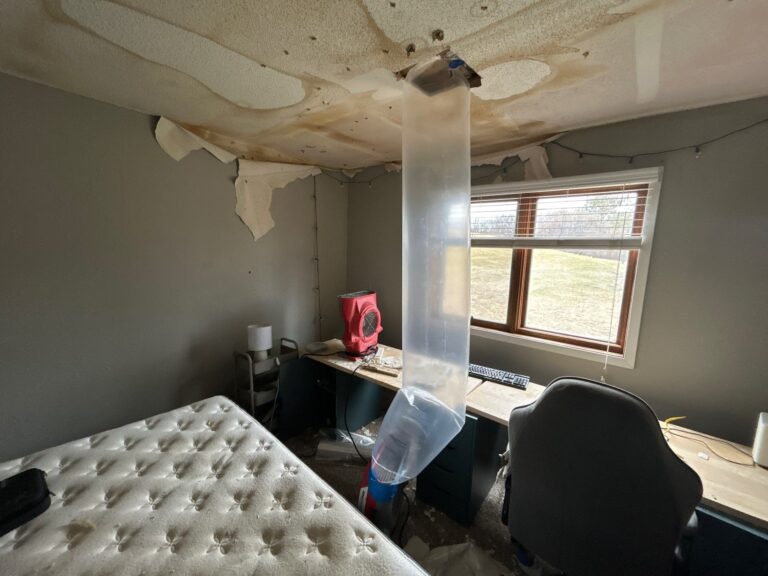
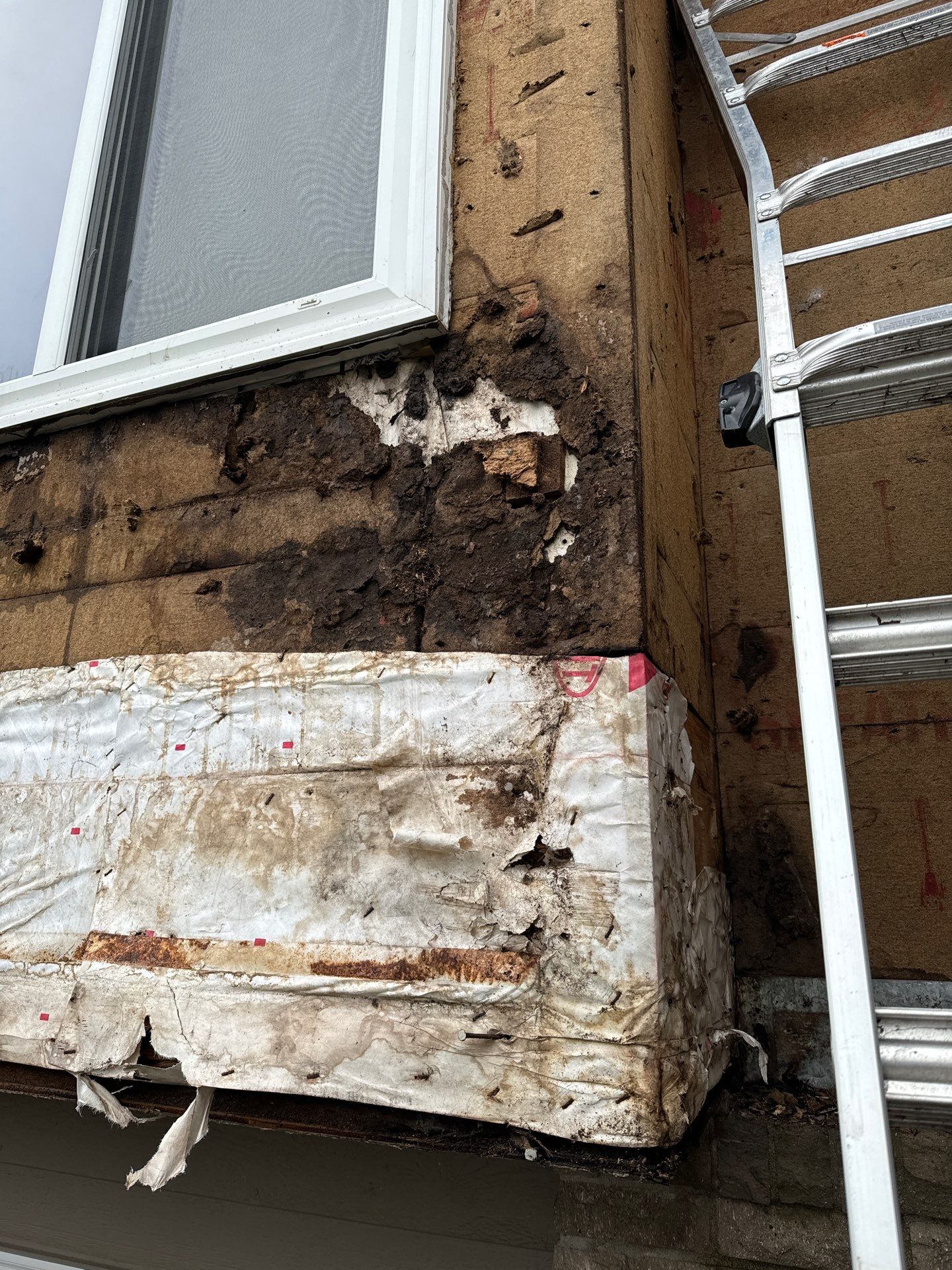
Water damage is one of the most common issues homeowners face, but it is also one of the most misunderstood. Many people assume that once the visible water is removed, the problem is solved. In reality, the damage often continues long after the surface appears dry. Moisture can remain trapped behind walls, under flooring, and inside structural materials where it slowly creates larger issues over time.
This is one of the biggest reasons professional water damage restoration is so important. Proper restoration is not just about drying what can be seen. It is about identifying hidden moisture, preventing long term structural problems, and restoring the property before secondary damage develops.
Water Moves Further Than Most People Realize
One of the biggest challenges with water damage is how quickly moisture spreads. Water naturally travels into surrounding materials, including drywall, insulation, wood framing, flooring, and subfloors. Even a relatively small leak can affect a much larger area than what is visible on the surface.
What makes this especially difficult is that moisture often moves into hidden spaces where homeowners cannot easily see it. By the time staining, warping, or odors become noticeable, the water has usually been present for longer than expected.
This is why fast response matters. Working with professionals who provide water damage restoration in Minneapolis, MN, helps ensure that moisture is identified and removed before it continues spreading throughout the structure.
Delayed Drying Creates Bigger Problems
One of the most common mistakes after water damage is assuming that air drying alone is enough. While surfaces may feel dry relatively quickly, trapped moisture can remain inside materials for days or even weeks if proper drying equipment is not used.
As moisture lingers:
- wood begins swelling and warping
- drywall weakens
- flooring adhesives break down
- structural materials deteriorate
This is where water damage shifts from a cleanup issue into a reconstruction issue. The longer materials remain wet, the greater the chance they will need full replacement rather than restoration.
Professional drying equipment and moisture detection tools help ensure that affected areas are dried completely, not just visually dry on the surface.
Mold Growth Can Start Quickly
One of the biggest concerns after water damage is mold. Moisture creates the ideal environment for mold growth, especially in dark or enclosed areas with limited airflow. In many situations, mold can begin developing within 24 to 48 hours after water exposure.
What makes mold difficult is that it often spreads before it becomes visible. Spores can move through the air and settle into surrounding materials, allowing the issue to expand quietly over time.
This is why professional mold remediation services in Minneapolis, MN, are often connected to water damage restoration projects. Addressing both moisture and mold together helps prevent recurring problems later.
According to the Environmental Protection Agency, controlling moisture is the most effective way to prevent mold growth inside residential and commercial buildings.
Water Damage Does Not Always Come From Flooding
Many homeowners associate water damage with major flooding events, but some of the most damaging situations actually come from smaller and slower leaks. Burst pipes, appliance failures, roof leaks, and plumbing issues can all create significant moisture problems over time.
Slow leaks are especially problematic because they often go unnoticed longer. Instead of creating immediate visible damage, they gradually saturate materials behind walls or beneath flooring until the issue becomes severe.
This is one reason routine inspections and quick response are so important. Catching a leak early can dramatically reduce both restoration costs and structural damage.
Restoration Is About More Than Removing Water
Professional water damage restoration involves much more than extracting standing water. The full process often includes:
- moisture mapping
- structural drying
- material evaluation
- mold prevention
- sanitation and deodorization
- reconstruction planning if needed
Companies like Capital City Construction & Restoration focus on restoring the property fully rather than simply removing visible water.
This broader approach helps ensure the home or building is properly stabilized before repairs or rebuilding begin.
Fast Action Often Reduces Overall Costs
One of the biggest factors influencing restoration costs is timing. The sooner the issue is addressed, the more materials can often be saved. Delayed response allows moisture to spread further and increases the likelihood of secondary damage.
For example:
- early drying may save flooring
- delayed drying may require full replacement
- quick response may prevent mold
- delayed action often increases remediation needs
This is why emergency response services are such an important part of water restoration work. Acting quickly helps reduce the scope of damage before it escalates further.
Water Damage Often Leads Into Remodeling
In more extensive situations, restoration work transitions into rebuilding and remodeling. Damaged drywall, flooring, cabinetry, and structural materials may need replacement after the drying and mitigation process is complete.
This is where having a contractor experienced in both restoration and remodeling becomes valuable. Instead of coordinating multiple companies, homeowners can move more efficiently from mitigation into reconstruction.
For many homeowners, the goal is not just drying the property. It is restoring the space fully so it feels functional, safe, and complete again.
Addressing Water Damage Early Changes Everything
Water damage rarely improves on its own. The longer moisture remains inside a property, the more opportunities it has to spread and create larger problems. What begins as a relatively small issue can quickly become a much larger restoration project if it is not handled properly.
Professional water damage restoration helps stop that process early by identifying hidden moisture, drying materials thoroughly, and preventing secondary damage from developing. In many cases, fast action is what determines whether the issue stays manageable or becomes significantly more expensive and disruptive later.
And when restoration is handled correctly from the beginning, homeowners are able to move forward with far less long term damage to both the property and the overall project.