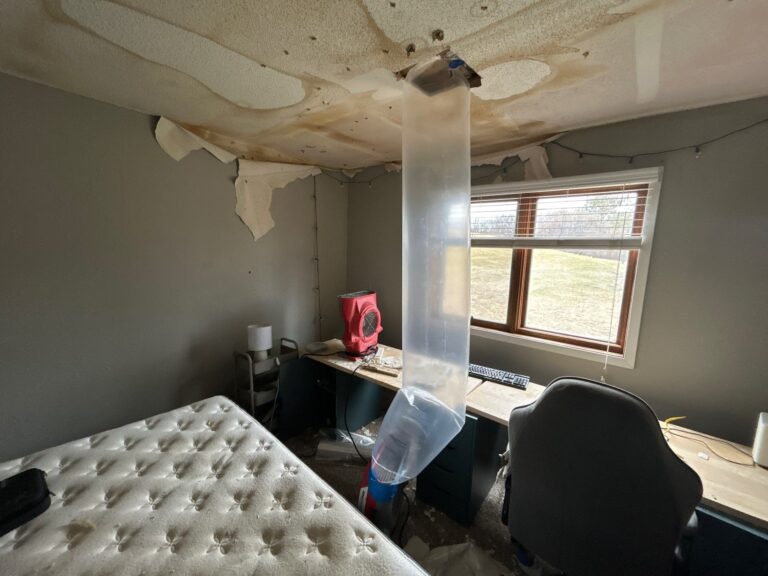
Water damage is one of the most common issues homeowners face, but what many don’t realize is that the initial damage is often only part of the problem. The real concern begins in the hours and days that follow. Once moisture enters a home, whether from a burst pipe, flooding, or a roof leak, it creates the perfect environment for mold to begin developing.
If you’ve been dealing with water damage or are considering mold remediation in Minneapolis MN, understanding how quickly mold can form is critical. Mold doesn’t wait for visible damage. It starts growing behind walls, under flooring, and in areas you may not immediately notice. Acting quickly isn’t just recommended, it’s what prevents a manageable issue from turning into a much larger and more expensive problem.
Mold Can Start Growing Faster Than Most People Expect
One of the biggest misconceptions about mold is that it takes time to develop. In reality, mold can begin forming within 24 to 48 hours after water exposure. This means that even small leaks or minor flooding can lead to growth if moisture is not properly addressed.
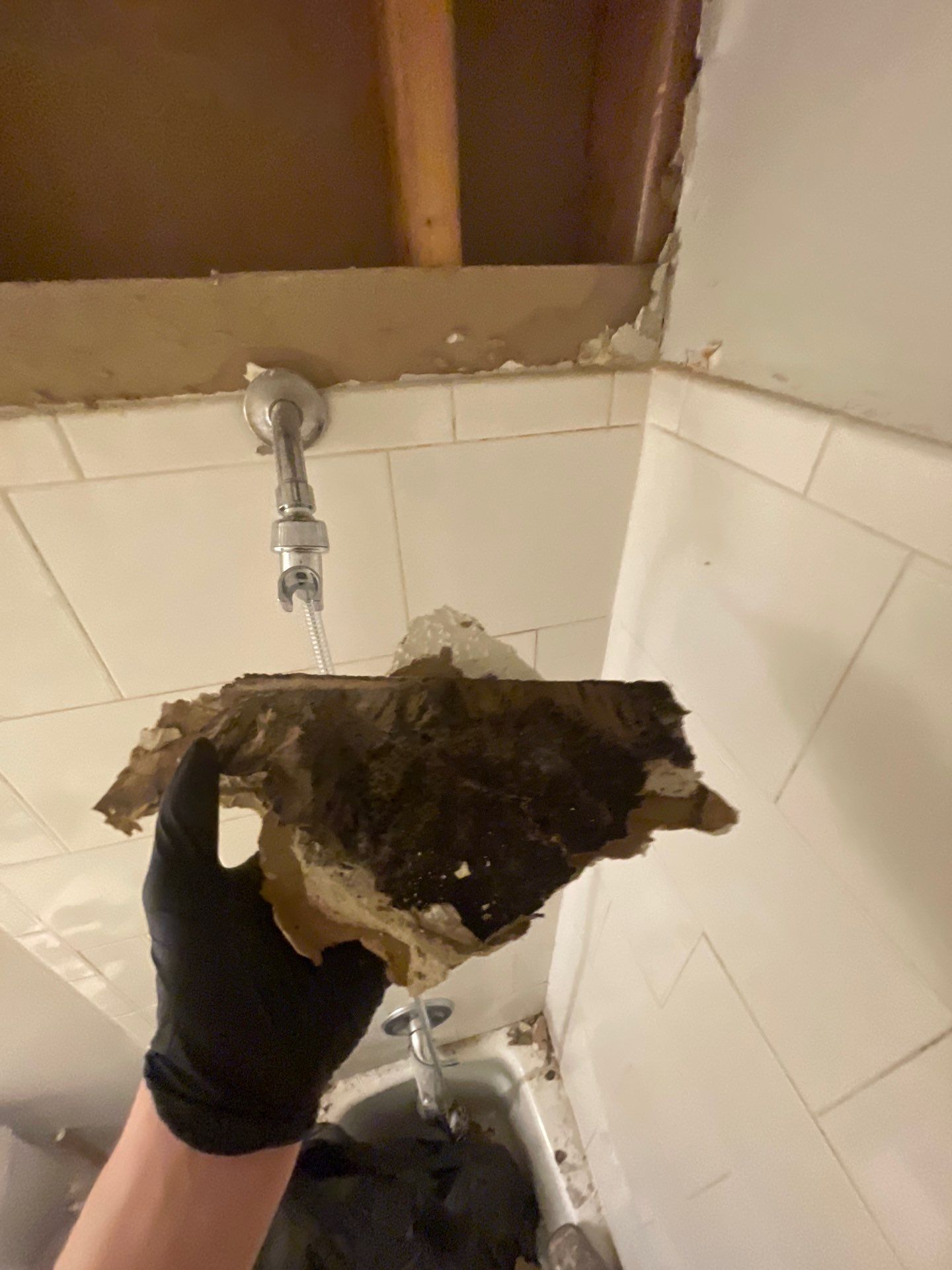
What makes this more challenging is that mold often develops in hidden areas first. Behind drywall, inside insulation, and under flooring are some of the most common places for early growth. By the time visible signs appear, the issue has often already spread further than expected.
This is why addressing moisture immediately with professional water damage restoration in Minneapolis MN is one of the most important first steps. Removing visible water is only part of the process, fully drying the structure is what prevents mold from taking hold.
Common Causes of Mold After Water Damage:
| Cause | Why It Leads to Mold |
| Flooding | Saturates materials quickly |
| Pipe leaks | Continuous hidden moisture |
| Roof leaks | Water trapped in insulation |
| Poor drying | Moisture remains in structure |
Each of these creates conditions where mold can grow even after the initial issue seems resolved.
Why Mold Becomes a Bigger Problem Over Time
Mold isn’t just a surface issue, it’s a structural and environmental problem. As it spreads, it begins to break down materials like drywall, wood, and insulation. Over time, this can weaken the structure of your home and create more extensive damage.
Beyond the structural concerns, mold also affects indoor air quality. Spores can circulate through the home, especially if HVAC systems are involved. This is one reason professional mold remediation services focus not just on removing visible growth, but on addressing the source and preventing further spread.
What many homeowners discover is that waiting too long doesn’t just increase the scope of the problem, it changes the type of work required to fix it.
Water Damage and Mold Are Closely Connected
It’s important to understand that mold is rarely the starting issue, it’s usually a result of unresolved moisture. That’s why treating mold without addressing the underlying water problem often leads to recurrence.
According to the Environmental Protection Agency, controlling moisture is the most effective way to prevent mold growth in residential environments.
This is why restoration and remediation go hand in hand. One addresses the moisture, the other addresses the growth. Skipping either step leaves the problem incomplete.
When Restoration Turns Into Remodeling
In some cases, water damage and mold extend beyond what can be cleaned or repaired. Materials may need to be removed, replaced, or rebuilt entirely. This is where restoration overlaps with remodeling.
What makes companies like Capital City Construction & Restoration unique is their ability to handle both sides of the process. Instead of working with multiple contractors, homeowners can move from damage mitigation into rebuilding more seamlessly.
This becomes especially important in larger loss situations, where coordination between restoration and construction can impact both timeline and cost.
Why Acting Early Changes Everything
The difference between a manageable repair and a major project often comes down to timing. Addressing water damage immediately reduces the chance of mold growth. Addressing mold early reduces the amount of material that needs to be removed or replaced.
What many homeowners realize after going through the process is that the cost of waiting is often higher than the cost of acting quickly. Early intervention keeps the problem contained, while delays allow it to spread.
The Real Goal Is Stopping the Problem at the Source
Mold doesn’t happen randomly, it follows moisture. And once it starts, it continues to grow as long as those conditions exist. That’s why the goal isn’t just to remove mold or dry out water, it’s to stop the cycle completely.
When water damage and mold are handled together, the result is a more complete and lasting solution. And when that process starts early, it stays far more manageable from start to finish.