

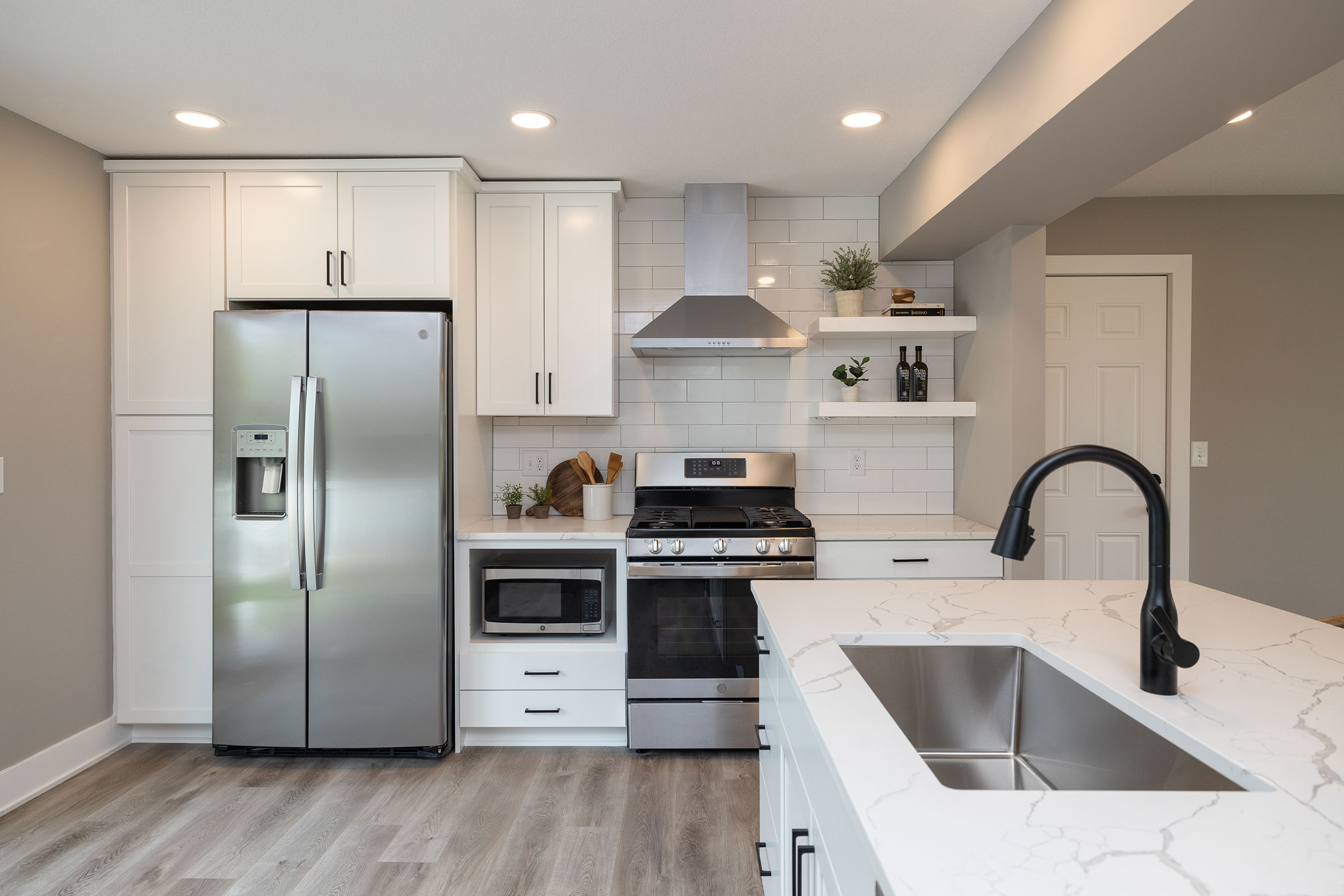
A kitchen remodel is one of the most exciting home improvement projects a homeowner can undertake. It transforms one of the busiest spaces in the home, improves everyday functionality, and can significantly increase the value of the property. At the same time, remodeling a kitchen is also one of the largest investments many homeowners will make, which means careful planning before construction begins is just as important as the work itself.
Many people begin thinking about cabinets, countertops, paint colors, or flooring, but successful kitchen remodeling starts long before material selections are made. Understanding how you use your kitchen, identifying priorities, setting realistic expectations, and working with an experienced contractor all help create a smoother project from start to finish. Whether you’re planning a complete renovation or updating an older space, taking the time to prepare properly can help ensure the finished kitchen fits both your lifestyle and your long-term goals.
Start With How You Actually Use Your Kitchen
One of the biggest mistakes homeowners make is designing a kitchen based entirely on appearance instead of functionality. Beautiful finishes certainly matter, but a kitchen should first support the way your family lives every day. Before choosing cabinets or appliances, spend some time thinking about how the space is currently used and where it could work better.
For some families, the kitchen is primarily a place to prepare meals. For others, it serves as the center of the home where children complete homework, guests gather during holidays, or multiple people cook together throughout the week. Understanding these daily routines helps determine whether additional storage, a larger island, improved lighting, or a different layout will provide the greatest long-term value.
Creating a list of frustrations with the existing kitchen is often a helpful exercise before meeting with a contractor. Small inconveniences that have become part of everyday life frequently become the priorities that shape the overall design.
Establish Priorities Before Choosing Finishes
Once homeowners begin looking at inspiration photos, it becomes easy to focus on colors, cabinet styles, and decorative features. While those decisions are certainly important, they often come after the larger planning decisions have already been made. Establishing priorities early helps guide the entire remodeling process and makes design selections much easier later.
Questions that are helpful to answer before construction begins include:
- Is additional storage needed?
- Would a larger island improve functionality?
- Are new appliances part of the project?
- Is improving traffic flow a priority?
- Will the kitchen remain in the same footprint, or will walls be moved?
Answering these questions creates a clearer roadmap for the project and helps homeowners invest in improvements that will have the greatest impact on everyday living rather than simply following current design trends.
Budgeting Is About Balancing Priorities, Not Eliminating Them
Every remodeling project has a budget, but that budget does not necessarily limit what is possible. Instead, it helps prioritize where investment will have the greatest return. Some homeowners choose to invest more heavily in custom cabinetry because storage is their biggest concern. Others may prioritize durable countertops, upgraded appliances, or improved lighting because those features support how they use the kitchen every day.
Working with an experienced kitchen remodeling contractor in Minneapolis MN allows homeowners to explore different material options and construction approaches while keeping the overall project aligned with their goals. An experienced contractor can often recommend alternatives that maintain the desired appearance while providing flexibility within the project budget.
The most successful remodels are rarely the ones with the highest budgets. They are the ones where homeowners have clearly identified their priorities and made decisions that support those goals.
Every Kitchen Remodel Requires Hundreds of Small Decisions
Many homeowners are surprised by just how many individual decisions are involved in a kitchen remodel. Beyond cabinets and countertops, there are flooring materials, backsplashes, sinks, faucets, lighting, hardware, trim details, paint colors, appliance placement, electrical outlets, and countless finishing touches that all work together to create the completed space.
Rather than trying to make every decision at once, it often helps to think about the project in phases.
| Remodeling Phase | Typical Decisions |
| Planning | Budget, goals, layout, timeline |
| Design | Cabinet style, countertops, flooring, lighting |
| Construction | Demolition, framing, plumbing, electrical |
| Finishing | Paint, hardware, backsplash, fixtures |
| Final Walkthrough | Adjustments, inspections, project completion |
Approaching the project step by step allows homeowners to stay organized while making thoughtful decisions instead of feeling overwhelmed by the number of choices available.
Communication Makes the Entire Process Smoother
A kitchen remodel temporarily changes how one of the busiest rooms in the home functions. For several weeks, homeowners may be without a fully operational kitchen while construction is underway. Having realistic expectations and maintaining open communication with the contractor helps reduce stress throughout the project.
Homeowners considering larger renovation projects often find that home remodeling services provide opportunities to coordinate multiple improvements at the same time, creating a more efficient renovation process while maintaining a consistent design throughout the home.
A Well-Planned Kitchen Remodel Adds Value Beyond Resale
While kitchen remodeling is frequently discussed in terms of home value, many of the greatest benefits are experienced long before the home is ever sold. A better layout can simplify meal preparation, improved storage reduces clutter, updated lighting creates a more enjoyable workspace, and durable materials often reduce long-term maintenance. These daily improvements continue providing value every time the kitchen is used.
According to the National Association of Realtors, kitchen renovations consistently rank among the home improvement projects that homeowners report bringing the highest levels of personal satisfaction after completion.
Although resale value is certainly worth considering, the greatest return often comes from creating a space that better supports the way your family lives every day.
Thoughtful Planning Leads to Better Remodeling Results
A successful kitchen remodel is about much more than choosing attractive finishes. It begins with understanding how the space functions today, identifying opportunities for improvement, and working with experienced professionals who can help bring those ideas to life. Every decision, from layout and storage to lighting and material selection, contributes to creating a kitchen that is both beautiful and practical.
By taking time to plan before construction begins, homeowners can approach the remodeling process with greater confidence while creating a finished space that continues serving their family for many years to come. The result is not simply a new kitchen, but a home that works better every single day.