Water has a way of finding the smallest openings in a home. A slow leak behind a wall, a damaged roof after a storm, a burst pipe, or a flooded basement can all introduce moisture where it doesn’t belong. While some forms of water damage are immediately obvious, many begin quietly and continue spreading long before homeowners realize there is a problem. By the time stains appear on a ceiling or flooring begins to buckle, the damage beneath the surface may already be significant.
Understanding how water damage develops, what warning signs to look for, and why quick action matters can help homeowners minimize repairs and protect one of their biggest investments. Whether the cause is severe weather, plumbing failure, or an unexpected accident, responding quickly often makes the difference between a manageable restoration project and extensive structural repairs.
Water Damage Can Happen in More Ways Than You Think
Many people associate water damage with major flooding, but some of the most costly repairs begin with much smaller problems. A leaking appliance, cracked pipe, overflowing sink, or damaged roof can allow moisture to enter walls, ceilings, insulation, and flooring over time.
Common causes of water damage include:
- Burst or leaking water pipes
- Roof leaks after storms
- Ice dams during winter
- Overflowing bathtubs, toilets, or sinks
- Appliance failures
- Foundation seepage
- Heavy rainfall or flooding
- Frozen pipes
While each situation is different, they all share one thing in common: the longer water remains inside the home, the greater the potential for damage.
The Signs Are Not Always Obvious
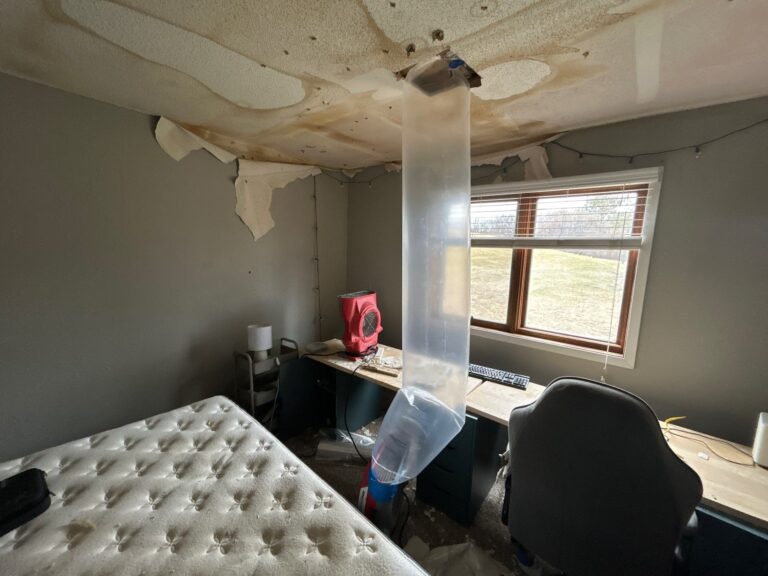
One of the challenges with water damage is that it often spreads behind walls, under flooring, or above ceilings where it cannot easily be seen. Homeowners may not notice the problem until secondary damage begins appearing throughout the home.
Some common warning signs include:
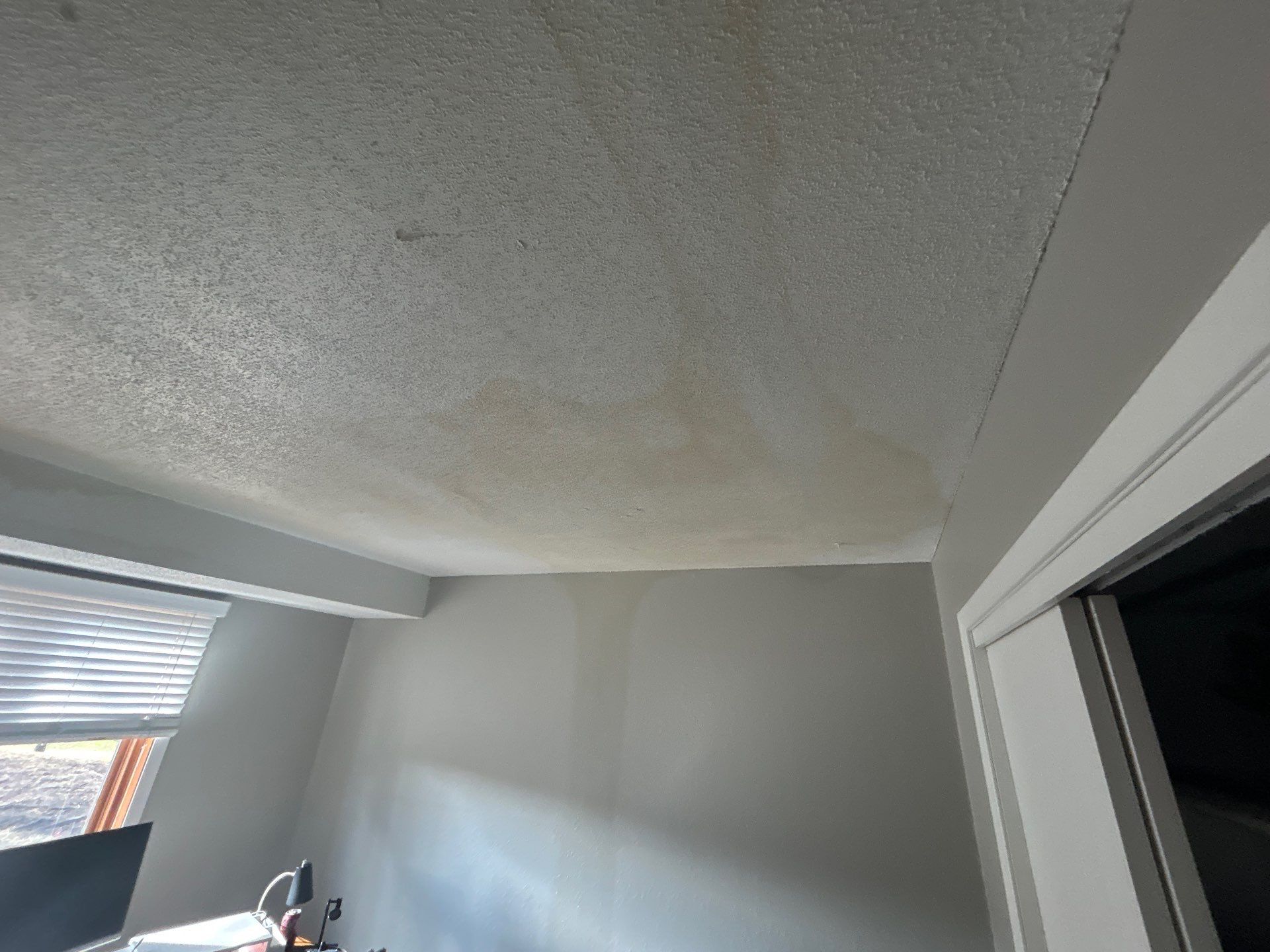
- Water stains on ceilings or walls
- Peeling paint or bubbling drywall
- Musty odors
- Soft or warped flooring
- Buckling hardwood
- Mold or mildew growth
- Sagging ceilings
- Increased humidity indoors
Even if these symptoms appear minor, they often indicate that moisture has been present for longer than expected. Investigating the source quickly helps prevent additional damage from developing.
Why Acting Quickly Matters
Time is one of the biggest factors in any water damage situation. Moisture begins affecting building materials almost immediately. Drywall absorbs water, wood swells, insulation loses effectiveness, and flooring may begin separating or warping if left untreated.
The longer moisture remains trapped inside the home, the greater the likelihood that repairs will become more extensive. Prompt mitigation helps limit the spread of water while increasing the chances that affected materials can be properly dried rather than completely replaced.
Professional restoration companies use specialized drying equipment, moisture detection tools, and proven restoration techniques to ensure hidden moisture is addressed—not just the visible damage.
Homeowners looking to understand the complete water damage restoration process can learn how professional mitigation helps minimize long-term damage and restore their home safely.
Water Damage Can Affect More Than What You See
Visible damage is often only one part of the problem. Water can travel through wall cavities, beneath flooring, and into structural framing, impacting areas that appear untouched from the surface.
Potential areas affected include:
| Area | Possible Impact |
|---|---|
| Drywall | Swelling, staining, deterioration |
| Flooring | Warping, buckling, separation |
| Insulation | Reduced effectiveness after saturation |
| Wood framing | Moisture absorption and structural concerns |
| Cabinets | Swelling and material damage |
| Personal belongings | Water staining and deterioration |
Because moisture often spreads beyond the original source, professional moisture mapping is an important part of determining the full extent of the damage.
Storms Often Lead to Hidden Water Damage
Minnesota weather presents unique challenges for homeowners. Heavy rain, hail, strong winds, snow, and ice can all contribute to water intrusion. Sometimes the roof sustains damage that allows water to slowly enter the home over days or even weeks before the problem becomes noticeable indoors.
After a significant storm, homeowners should inspect their property for signs of damage and schedule a professional evaluation if they suspect water may have entered the home. Addressing storm-related issues quickly helps prevent additional deterioration while protecting the home’s structural integrity.
Property owners exploring storm damage restoration services can better understand how repairing exterior damage quickly helps reduce the risk of future water intrusion.
Insurance May Cover Certain Types of Water Damage
Many homeowners are surprised to learn that insurance coverage often depends on the source of the water damage. Sudden and accidental events, such as a burst pipe, may be covered under many homeowner policies, while damage resulting from long-term neglect or maintenance issues may not be.
Because every insurance policy is different, documenting the damage and notifying your insurance company as soon as possible is important. Professional restoration contractors can often assist homeowners throughout the claims process by documenting damage, preparing estimates, and communicating with insurance adjusters when needed.
Understanding your coverage before an emergency occurs can help reduce stress during an already challenging situation.
Prevention Is Always Better Than Restoration
While not every emergency can be prevented, routine maintenance significantly reduces the risk of unexpected water damage. Homeowners can help protect their property by:
- Inspecting roofing after storms
- Cleaning gutters regularly
- Checking plumbing connections
- Replacing aging water supply lines
- Monitoring appliance hoses
- Sealing foundation cracks
- Maintaining proper drainage around the home
These simple maintenance tasks help identify small problems before they become costly restoration projects.
According to the Insurance Information Institute, water damage and freezing remain among the most common causes of homeowners’ insurance claims in the United States, highlighting the importance of preventative maintenance and early detection.
Protect Your Home by Responding Quickly
Water damage is one of the most common issues homeowners face, but it doesn’t have to become one of the most expensive. Understanding the warning signs, responding quickly, and working with experienced restoration professionals can significantly reduce the impact on your home and your family.
Whether the damage is caused by a plumbing leak, severe weather, or an unexpected appliance failure, taking immediate action helps preserve your home’s structure, minimize repair costs, and restore your peace of mind. When it comes to water damage, acting sooner almost always leads to a better outcome than waiting to see if the problem improves on its own.