
You clean the bathroom, scrub away the discoloration around the shower, and everything looks good again. Then a few weeks later, those familiar dark spots start appearing along the grout, ceiling, or corners of the room. If you’ve found yourself dealing with bathroom mold that keeps coming back, you’re certainly not alone.
Bathrooms are naturally exposed to more moisture than most other rooms in the house. Between hot showers, running sinks, damp towels, and fluctuating humidity levels, it’s easy for moisture to linger long after you’ve finished getting ready for the day. While occasional surface mold may be manageable with proper cleaning and moisture control, recurring growth can sometimes point to a larger problem.
For Minnesota homeowners, understanding why mold continues returning is important, especially as colder weather approaches and homes spend more time closed up. The real solution often involves looking beyond the visible spots and figuring out where the moisture is coming from.
Why Bathrooms Are Such a Common Place for Mold
Mold needs moisture to grow, and bathrooms provide plenty of opportunities for damp conditions to develop. Every hot shower releases moisture into the air, which can collect on cooler surfaces such as mirrors, windows, ceilings, and exterior walls. If that moisture isn’t removed efficiently, surfaces can remain damp long enough to support mold growth.
Ventilation plays a significant role. A bathroom exhaust fan should help move humid air outside, but an undersized, poorly functioning, or improperly vented fan may not remove moisture effectively. Bathrooms without adequate airflow can remain humid well after someone finishes showering, particularly when doors and windows stay closed.
Minnesota’s colder months can make these conditions more noticeable. When warm, humid indoor air comes into contact with colder surfaces, condensation can develop. Exterior bathroom walls, window frames, and poorly insulated areas may become particularly vulnerable to recurring moisture.
However, humidity isn’t always the only explanation. Small plumbing leaks, damaged grout, failed caulking, and water entering behind shower surrounds can create damp conditions that aren’t immediately visible. When mold repeatedly appears in the same location, it’s worth considering whether something beyond ordinary shower steam is contributing to the problem.
Why Does Bathroom Mold Keep Coming Back After Cleaning?
One of the biggest misconceptions about mold is that removing the visible discoloration automatically eliminates the problem. Cleaning may remove surface growth, but it doesn’t necessarily change the conditions that allowed the mold to develop.
If moisture continues accumulating, mold can return.
For example, imagine a bathroom ceiling that develops dark spots every winter. You clean the affected area, repaint it, and everything looks fine for a while. But if the exhaust fan isn’t adequately removing moisture, condensation may continue forming on that same ceiling. Eventually, the discoloration can return because the underlying conditions haven’t changed.
The same principle applies to mold around showers, tubs, and sinks. If water is entering through damaged caulking or leaking plumbing, cleaning the exposed surface won’t address moisture that may be affecting surrounding materials.
The Environmental Protection Agency’s guide to mold and moisture emphasizes that controlling moisture is essential to controlling mold. The EPA also recommends improving bathroom ventilation and promptly repairing water leaks to help prevent recurring growth.
This is why persistent bathroom mold deserves more attention than simply trying a stronger cleaning product.
Common Places Bathroom Mold Can Hide
Some bathroom mold is easy to identify. Other areas are much less obvious, particularly when moisture has reached materials behind finished surfaces.
| Location | What May Be Contributing to Mold Growth |
| Shower grout and caulking | Repeated moisture exposure, deteriorating seals, and insufficient drying |
| Bathroom ceilings | Humidity, condensation, and inadequate ventilation |
| Around windows | Condensation on cold surfaces or water intrusion |
| Beneath sinks | Slow plumbing leaks or condensation on pipes |
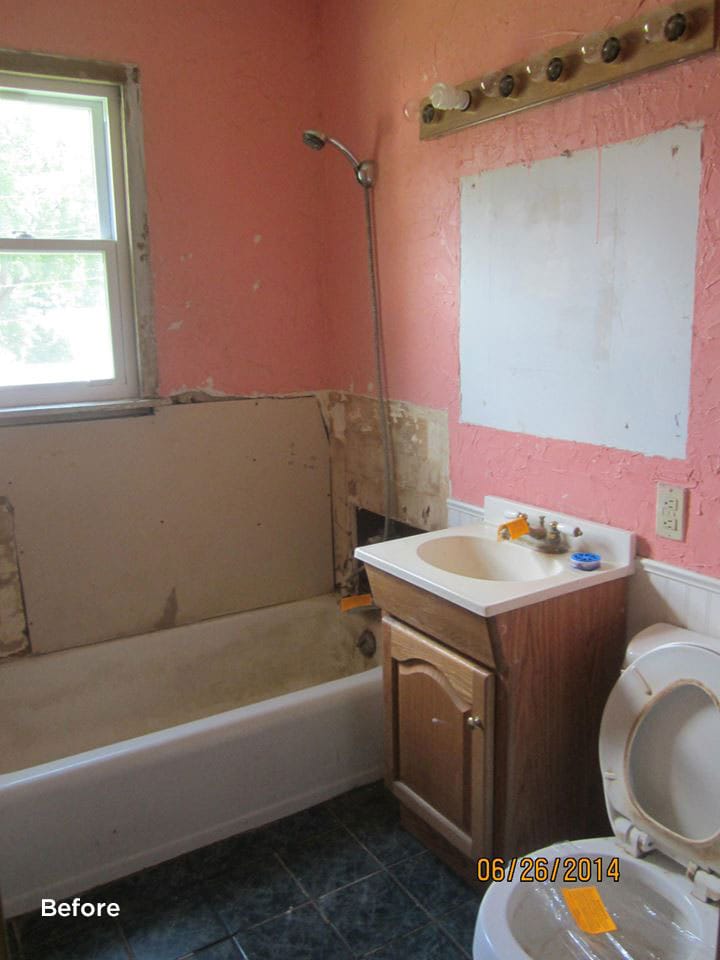
| Behind shower walls | Failed waterproofing, leaking connections, or water entering through damaged materials |
| Around toilets | Leaking seals, plumbing connections, or persistent moisture |
| Behind baseboards | Water from leaks, spills, or previous moisture damage |
Not every dark stain is mold, and appearance alone isn’t a reliable way to identify the type of growth present. However, recurring discoloration, musty odors, soft drywall, peeling paint, or persistent dampness can indicate that further investigation is needed.
The location of the problem can also provide clues. Mold concentrated near the ceiling may suggest condensation or ventilation concerns, while growth repeatedly appearing along the base of a wall could indicate water entering or collecting near the floor.
These patterns don’t provide a diagnosis on their own, but they can help homeowners recognize when a bathroom moisture problem may be more complicated than it first appears.
When Bathroom Mold Becomes More Than a Cleaning Problem
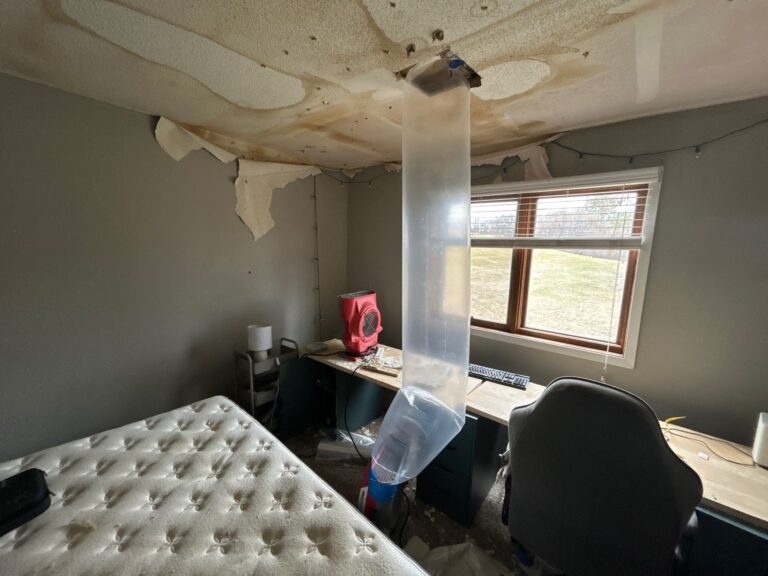
There is an important difference between a small amount of mold on a cleanable surface and mold affecting drywall, insulation, wood, or other building materials.
Nonporous surfaces can often be cleaned when the affected area is limited and the moisture problem is corrected. Porous materials are more complicated because moisture and mold can penetrate beyond the visible surface. Depending on the extent of the damage, some materials may need to be removed and replaced rather than simply cleaned.
Painting over the problem isn’t a reliable solution either. Fresh paint may temporarily conceal discoloration, but it doesn’t remove existing mold or correct the moisture conditions underneath.
Capital City Construction & Remediation provides mold testing and remediation services throughout the Twin Cities, including identifying moisture sources, containing affected areas, removing contaminated materials, and restoring damaged portions of the home.
Addressing both the mold and its source is especially important when the problem involves building materials that can’t be adequately cleaned in place.
How to Reduce Moisture and Help Prevent Bathroom Mold
Preventing recurring bathroom mold starts with managing moisture rather than relying exclusively on cleaning products.
A properly functioning bathroom exhaust fan is one of the most useful tools homeowners have. The fan should vent outdoors, not into an attic or another enclosed space. Running it during showers and allowing it to continue operating afterward can help remove lingering humidity.
It’s also worth checking whether the fan is actually doing its job. If mirrors remain fogged for a long time, walls stay damp, or condensation regularly collects on the ceiling, the ventilation system may need attention.
Regularly cleaning and drying shower surfaces can also help. Water left standing along tub edges, shower doors, window ledges, and other surfaces creates opportunities for mold to develop. Maintaining grout and caulking helps reduce the risk of water reaching areas that are more difficult to dry.
Homeowners should also watch for plumbing leaks, even minor ones. A slow drip beneath a sink or water escaping behind a shower fixture may not create an obvious puddle, but it can keep surrounding materials damp over time.
Indoor humidity matters as well. The EPA generally recommends keeping indoor relative humidity below 60%, ideally between 30% and 50% when practical. In Minnesota, condensation on cold surfaces can sometimes make lower indoor humidity levels necessary during winter.
The goal isn’t to make a bathroom completely moisture-free. That’s unrealistic for a room designed around water. Instead, the goal is to prevent moisture from remaining trapped long enough to cause recurring problems.
What Happens When Mold Has Spread Behind the Walls?
One of the more frustrating situations for homeowners is discovering that what appeared to be a small bathroom mold problem extends into surrounding materials.
Professional remediation generally begins with determining the extent of the affected area and identifying the moisture source. Depending on the situation, containment may be necessary to reduce the spread of dust and mold during removal. Damaged porous materials may need to be removed, and the affected area must be properly dried before reconstruction begins.
For homeowners, the rebuilding process can be just as important as the cleanup. If drywall, flooring, or portions of a shower surround need to be removed, those materials must eventually be restored.
Capital City offers both remediation and residential construction and remodeling services, allowing the company to address damaged materials and complete necessary reconstruction as part of the overall project.
That combination can be particularly helpful when a moisture problem has affected more than the bathroom’s visible finishes.
Don’t Ignore Bathroom Mold That Keeps Returning
Finding mold in your bathroom doesn’t automatically mean you’re facing a major restoration project. Bathrooms are frequently damp environments, and small areas of surface mold can sometimes be managed through proper cleaning, ventilation, and moisture control.
But when the same problem keeps returning, it’s worth asking why.
Is the exhaust fan working correctly? Does condensation remain on the walls long after a shower? Is water getting behind the tub or shower surround? Could a small plumbing leak be keeping materials damp? Has the discoloration spread, or are you noticing signs of damage beyond the surface?
Those questions matter because bathroom mold is often a symptom of a moisture problem, not simply a cleaning problem.
Capital City Construction & Remediation helps Minnesota homeowners investigate mold concerns, identify moisture sources, remove affected materials when necessary, and restore damaged areas of the home.
If mold continues returning despite regular cleaning and reasonable moisture-control efforts, having the situation evaluated can help determine what needs to be addressed.
A bathroom should be a place where you can get ready for the day without wondering why the same dark spots keep appearing on the walls.
Finding the source of the moisture is the first step toward keeping them from coming back.